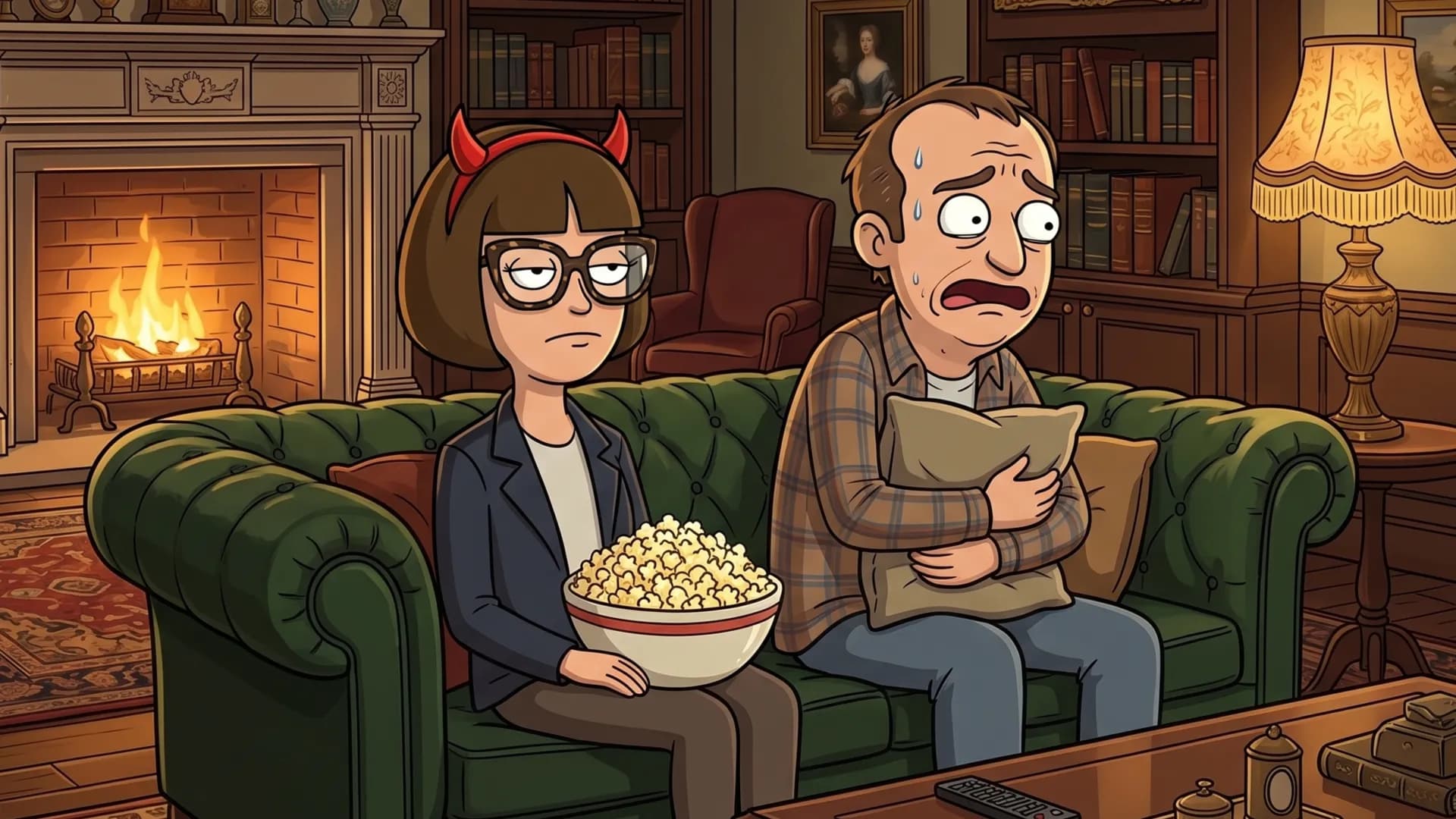
The Verdict
Jennifer Kent, tvoj debitanski film zaradio je skromnih 7 miliona na otprilike 2 miliona, pa tiho postao jedan od najuticajnijih horor filmova svoje ere. To je deo koji je važan. Iskaknuto knjiško čudovište je kuka, ali svako ko te je gledao zna pravi horor: ovo je film o tuzi i depresiji koji nosi cilindar. Essie Davis kao preopterećena majka u žalosti daje izvedbu toliko sirovu da je zaslužila velike pohvale i nosi ceo film na svojim iznurenim nervima.
Sad iskrena boda. Toliko oslanjanje na alegoriju znači da su ti doslovni strahovi uzdržani, a deo horor gomile hteo je da čudovište više čudovišti. Dete je, po dizajnu, iscrpljujuće za provesti vreme s njim, što je poenta i takođe pravi test izdržljivosti za publiku. Tvoja simbolika je moćna ali nije suptilna: dok Babadook živi u podrumu, metafora praktično pripoveda samu sebe. Ti si psihološka drama koja povremeno pusti bauka unutra, a ta ravnoteža neće zadovoljiti gledaoce koji su došli čisto da budu uplašeni.
Svetla strana je tvoje nasleđe, i ogromno je. Dokazao si da horor može biti najiskreniji žanr za pričanje o tuzi, da čudovište može biti poremećaj raspoloženja sa kojim naučiš da živiš umesto da ga poraziš. Kritičari su ti dali Metascore od 86 tačno za to. I u najčudnijoj pobedi u istoriji horora, Babadook je pobegao iz filma u potpunosti da postane neočekivana LGBTQ mem ikona ponosa. Nisi samo napravio strašan film. Napravio si stvorenje koje je preraslo sopstvenu priču, što je san.
What it nails
- ▲Essie Davis isporučuje razornu izvedbu kao preopterećena majka u žalosti
- ▲Moćno se čita kao alegorija za tugu i depresiju umesto kao doslovno čudovište
- ▲Zaradio Metascore od 86 i postao izuzetno uticajan na otprilike 2 miliona dolara budžeta
- ▲Dizajn Babadooka bio je dovoljno ikoničan da pobegne u pop kulturu kao mem ikona ponosa
What it botches
- ▼Prioritizovanje alegorije nad doslovnim strahovima ostavlja fanove iznenadnih strahova da žele više od čudovišta
- ▼Lik deteta je, po dizajnu, iscrpljujuć i pravi test izdržljivosti da se sedi s njim
- ▼Metafora tuge postaje toliko otvorena da gotovo sama sebe pripoveda do finala
- ▼Njegova ravnoteža psihološke drame neće zadovoljiti gledaoce koji su došli čisto da budu uplašeni
Who it's for
Fanovi horora koji žele emotivne udarce u stomak i metaforu, i svako ko zna da je tuga najstrašnija stvar u kući.
Who should skip
Gledaoci koji žele doslovan film o stvorenju sa čestim strahovima, ne sporu alegoriju o depresiji.
The whole story lives on the hub